Find a Tokenization & Digital Asset Structuring Lawyer
Tokenization involves representing an asset, real estate, a business, or another form of value, as a digital token, with the applicable legal treatment depending entirely on the token’s specific structure and the rights it grants. If your question is specifically about Dubai’s VARA licensing, federal CMA securities regulation, or a broader crypto matter, our VARA, CMA Securities, or Crypto & Digital Assets pages may be a better starting point.
LAST REVIEWED 29 SEPTEMBER 2026
Researched and maintained by the LEXNOVA Content & Research Team · Editorial policy
Checked against the official sources listed on this page. General information only — not legal advice. LEXNOVA is not a law firm.
Example Tokenization & Digital Asset Structuring Matters
- Real estate asset tokenization
- Business or revenue-share tokenization
- Security token structuring
- Regulatory classification of token structures
- Cross-border tokenization projects
WHO MAY NEED THIS
Businesses and asset owners exploring tokenization of real estate, equity, revenue streams, or other assets, and needing to understand the applicable legal and regulatory treatment.
Understanding Tokenization and Digital Asset Structuring
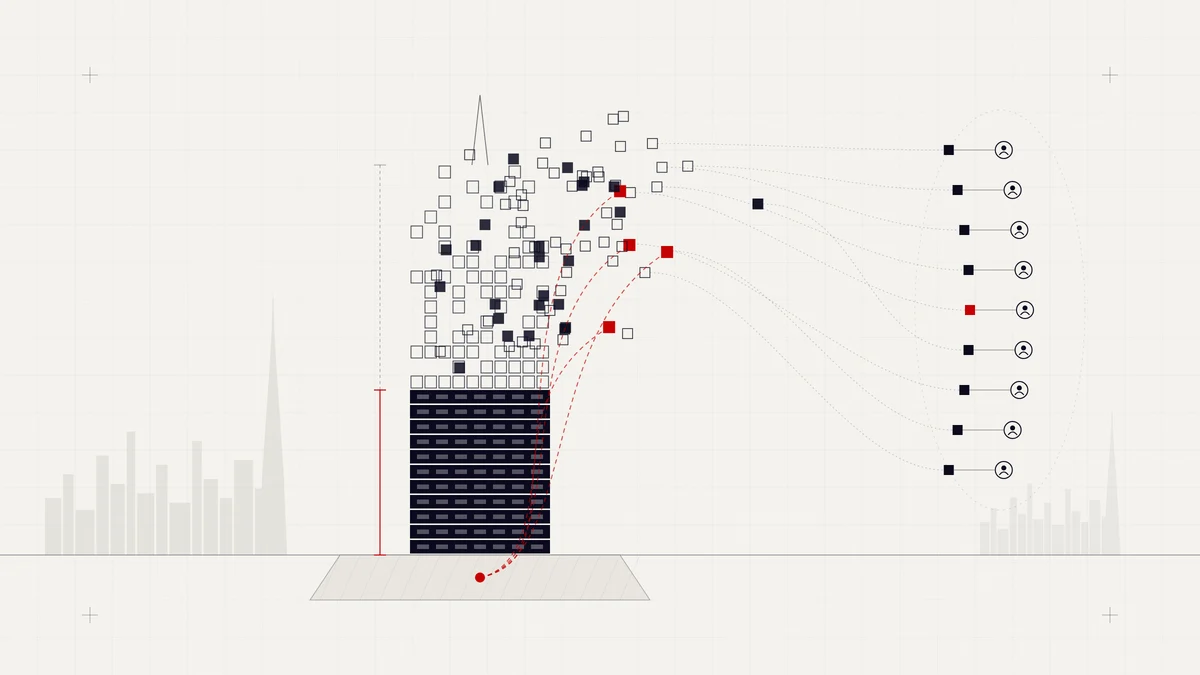
Tokenization refers to representing ownership of, or rights to, an asset, real estate, a business, revenue streams, or other forms of value, as a digital token on a blockchain.
This is a genuinely evolving area of UAE law, with legal and regulatory treatment depending entirely on the specific structure of the token, the underlying asset, and the rights attached to it.
A critical principle underlying this entire area is that not every token is legally the same, a token functioning as a security is treated very differently from one serving a purely utility function.
Given this complexity, tokenization projects benefit significantly from careful legal structuring from the earliest planning stages, rather than technical development proceeding ahead of legal clarity.
When You Might Need a Tokenization Lawyer
Exploring tokenizing a real estate asset, whether to enable fractional ownership or facilitate a new investment structure, is one of the most common reasons to seek guidance in this area.
Considering tokenizing business equity or revenue streams as an alternative or complement to traditional fundraising approaches raises important structuring questions.
Launching a tokenization platform or project that will involve investors, particularly across multiple countries, benefits from guidance addressing both UAE and relevant international considerations.
Needing to understand which UAE regulatory framework, VARA, CMA, or potentially both, or the DFSA or FSRA in the DIFC or ADGM, applies to a specific token structure is a foundational question worth addressing early.
Common Tokenization Matters
Real estate asset tokenization, structuring digital tokens representing ownership or economic interest in property.
Business or revenue-share tokenization, representing equity or revenue interests in a business through digital tokens.
Security token structuring, addressing tokens with investment-like characteristics and their applicable regulatory treatment.
Regulatory classification, determining whether a specific token structure falls within VARA, CMA, or another regulatory framework.
Cross-border tokenization projects, addressing the additional considerations when a project involves international investors or assets.
How LEXNOVA Legal Connect Helps You Find the Right Lawyer
LEXNOVA is not a law firm and does not provide legal advice. Legal Connect exists to help you describe your tokenization project clearly, then explore potentially suitable legal professionals from our network.
We consider factors like the type of asset involved, your structuring goals, and whether your project has cross-border elements.
Every potential match involves human review before an introduction is made, tokenization projects require genuinely careful, individualized legal structuring.
Once we identify potentially suitable professionals, we help facilitate an introduction, from there the lawyer can properly assess your specific asset and structuring goals.
Why Token Structure Determines Legal Treatment
The single most important principle in this area is that a token’s legal treatment depends on its specific structure, not simply on the fact that it’s a digital token.
A token granting investment-like rights, profit-sharing, ownership interest, or similar, is likely to be treated as a security token, triggering CMA-related considerations.
A token granting access to a product, service, or platform function, without investment characteristics, may be treated differently, potentially falling outside securities regulation.
This classification exercise requires genuine legal analysis of your specific token design, there’s no shortcut or generic answer that applies universally across different projects.
Tokenizing Real Estate: Key Considerations
Real estate tokenization typically aims to enable fractional ownership or more liquid investment structures for property assets.
This requires carefully structuring the legal relationship between the token and the underlying property, ensuring the token genuinely and enforceably represents the ownership or economic rights intended.
Existing UAE property law and registration requirements need to work alongside, not be circumvented by, any tokenization structure, a lawyer can help ensure proper integration.
Given the significant value typically involved in real estate, getting this legal structuring right from the outset is particularly important for tokenization projects in this space.
Structuring a Business or Revenue-Share Token
Tokenizing business equity or revenue streams raises questions about how the token holder’s rights are legally defined and enforced against the underlying business.
This often involves considering whether the token structure resembles traditional securities, and if so, what CMA-related requirements apply to the offering.
Clear legal documentation defining exactly what rights a token grants, and how those rights connect to the underlying business, is essential for a properly structured project.
A lawyer can help you design a structure that achieves your business goals while properly addressing the applicable regulatory considerations.
What to Expect From the Structuring Process
The process typically begins with a clear understanding of your asset, your goals for tokenization, and who your intended token holders or investors will be.
From there, a lawyer will assess the appropriate token structure and applicable regulatory classification, VARA, CMA, both, or potentially neither, depending on the specific design.
This often involves iterative refinement of the token structure to achieve your commercial goals while maintaining appropriate regulatory compliance.
Given the complexity involved, tokenization projects generally benefit from a more extended structuring phase before any technical development or fundraising begins.
Choosing Between a Law Firm and an Independent Lawyer
Larger firms may bring more resources for complex, high-value tokenization projects, particularly those involving significant real estate or business assets.
Independent lawyers with genuine tokenization and digital asset structuring experience can offer more direct, accessible guidance for smaller or earlier-stage projects.
Given how specialized and genuinely evolving this area is, prioritizing real, demonstrated tokenization experience matters more than firm size alone.
This is a preference you can share through Legal Connect, and we’ll take it into account alongside the specific expertise your project requires.
Questions to Ask a Tokenization Lawyer
Have they structured tokenization projects involving assets similar to yours, real estate, business equity, or another category?
How do they approach the classification question for a token like the one you’re envisioning, and what factors do they consider?
What is their fee structure for a structuring engagement, and does it cover regulatory classification analysis?
These are reasonable questions any credible tokenization-focused lawyer should answer clearly and with genuine substance.
Understanding Legal Fees for Tokenization Projects
Fees vary considerably based on the complexity of your asset, the sophistication of the intended token structure, and whether cross-border elements are involved.
LEXNOVA does not set or control fees, this is communicated directly by each professional, and it’s reasonable to request a clear estimate before proceeding.
Given the genuinely novel and evolving nature of this area, many lawyers begin with a scoping conversation to understand your specific project before providing a full fee estimate.
A credible lawyer should be transparent about costs relative to the complexity of your specific structuring needs.
Red Flags to Watch For When Choosing a Lawyer
A lawyer who assumes all tokens are treated the same way, rather than analyzing your specific token’s structure and rights, likely lacks the depth this area requires.
Overly simplistic guidance that doesn’t address regulatory classification questions, VARA, CMA, or otherwise, is a meaningful gap given how central this issue is.
A lack of genuine experience with the specific type of asset you’re looking to tokenize, real estate versus business equity, for example, is worth probing.
Trust your own judgment, tokenization is a genuinely complex and evolving area, and it’s entirely reasonable to seek a lawyer who demonstrates real, substantive expertise rather than surface-level familiarity.
Sources & legal basis
- Law No. (4) of 2022 Regulating Virtual Assets in the Emirate of Dubai ↗
- VARA — Consumer and Marketplace Alert: Update on the Real Estate Tokenisation Pilot (19 February 2026) ↗
- Capital Market Authority — SCA Invites Feedback on Draft Regulations for Security Tokens and Commodity Tokens (22 January 2025) ↗
- Capital Market Authority — SCA and VARA set regulatory framework for the UAE's virtual assets sector ↗
- ADGM — Digital Assets ↗
START YOUR REQUEST
Tell Us About Your Matter.
The matter type is already set to Tokenization & Digital Asset Structuring, so the form begins with your location. We study your case and connect you with a specialist lawyer who has handled similar matters. LEXNOVA is not a law firm — any legal advice comes directly from the independent legal professional you are connected with.
HOW LEXNOVA LEGAL CONNECT WORKS
Tell us what you need, we review your requirements against practice area, location, and language, and — where appropriate — help facilitate an introduction to a potentially suitable legal professional. The legal advice itself is always provided directly by that professional.
See the full processFAQ
Overview & Eligibility
How LEXNOVA Works
Fees & Timelines
LEXNOVA is not a law firm and does not provide legal advice, legal opinions, legal representation, or legal services. Any legal advice or representation is provided directly by the independent legal professional engaged by the client.
A connection or introduction does not constitute a guarantee, endorsement, or assurance of outcome. Users should independently confirm the professional's qualifications, authorization, fees, scope of engagement, and suitability.