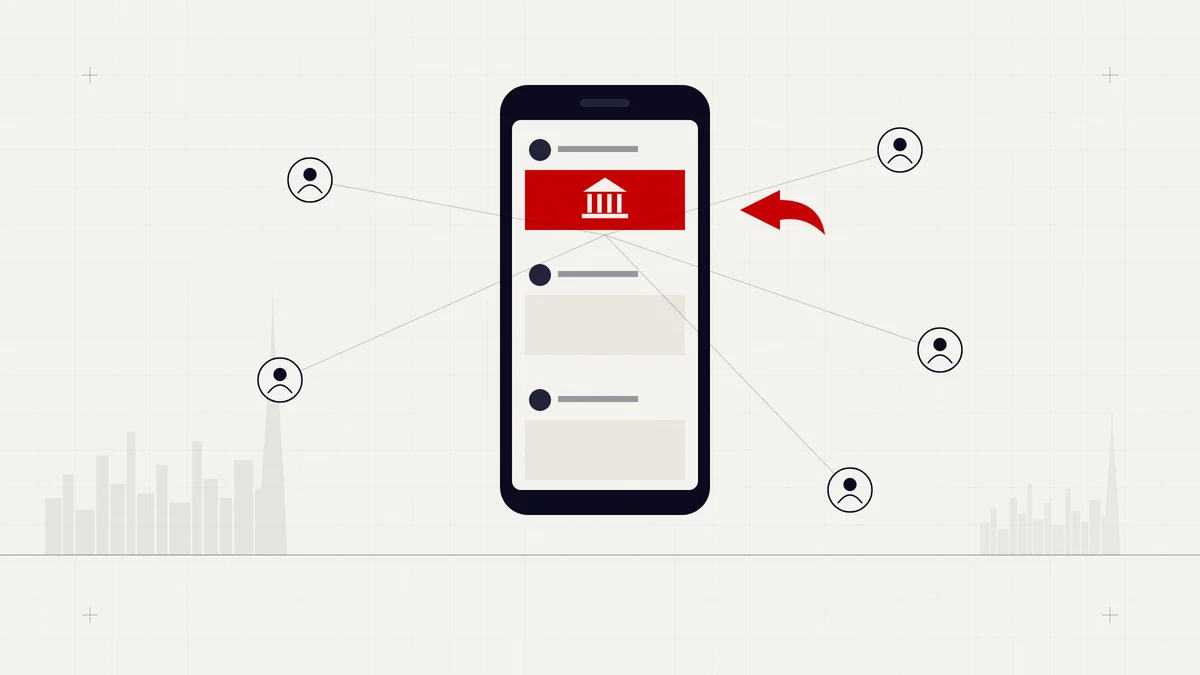
Content can include:
- Legal insights
- Commentary
- Practice-area education
- Firm announcements
- Lawyer profiles
- Thought leadership
- Case study stories
- Corporate milestones
- Educational video
- Industry commentary
Credibility over engagement
The emphasis is on credibility, consistency, and positioning — not empty engagement.
What Is Social Media Marketing for Law Firms?
Social media marketing for law firms is the deliberate use of platforms like LinkedIn, Instagram, and Facebook to build visibility, demonstrate expertise, and maintain an ongoing, credible presence in front of prospective clients, referral sources, and the broader professional community.
For most legal practices, this is less about viral reach and more about consistent, professional visibility, showing up regularly with genuinely useful or credible content in the places your audience already spends time.
Social media serves several purposes at once: reinforcing firm and lawyer credibility, supporting content distribution, maintaining visibility with past clients and referral sources, and, in some cases, directly generating enquiries.
Unlike SEO or paid search, social media's value is often more indirect and relationship-oriented, building familiarity and trust over time rather than capturing a single high-intent search moment.
Why Social Media for Law Firms Is Different
Legal audiences generally respond poorly to overtly promotional or engagement-bait content, which means law firm social media needs a genuinely different tone and content strategy than consumer brands chasing viral reach.
Compliance and professional conduct considerations shape what a firm or lawyer can appropriately post, particularly around case results, client testimonials, and comparative claims.
The right platform mix differs meaningfully from many other industries, LinkedIn is typically the primary channel for legal audiences, while platforms built around visual entertainment content often play a much smaller, more selective role.
Legal social media success is rarely measured in follower counts or viral reach, but in credibility, consistency, and whether the right audience, prospective clients, referral sources, and peers, actually sees and trusts what's being shared.
This distinction shapes nearly every strategic decision in legal social media, from platform selection to content tone, since optimizing for broad viral appeal can actively work against the credibility a legal audience specifically responds to.
The Core Components of a Social Media Strategy
A complete social media strategy for a law firm is built from several interconnected components, each supporting visibility and credibility in a different way.
Platform selection: choosing the specific platforms genuinely relevant to your target audience, rather than attempting a uniform presence across every available network.
Content planning: a deliberate mix of firm updates, educational content, and, where appropriate, individual lawyer perspective, planned consistently rather than posted sporadically.
Voice and tone: a consistent, professional voice appropriate to the legal industry, distinct from generic corporate social media content borrowed from unrelated sectors.
Engagement: genuine interaction with comments, relevant industry conversations, and professional connections, rather than purely one-way broadcasting.
Visual identity: consistent, professional visual presentation across posts, reflecting the same caliber and brand identity as the rest of the firm's digital presence.
Performance tracking: measuring which content and platforms are actually producing meaningful engagement or business value, not just posting activity for its own sake.
None of these components function well in isolation, a strong content plan undermined by inconsistent posting, or genuine engagement effort applied to the wrong platform entirely, tends to underperform a more modest but genuinely coordinated approach across all of them together.
How We Approach Social Media
We apply the same six-stage framework — diagnose, position, build, acquire, optimize, scale — to social media specifically.
Diagnose: we review your current social media presence, if any, along with your target audience and where they're genuinely active, identifying which platforms deserve real investment.
Position: we define a realistic content mix and voice appropriate to your firm's practice areas, audience, and professional culture.
Build: we establish or refresh platform profiles, develop a content plan, and begin producing and publishing consistent, genuinely relevant content.
Acquire: we support organic reach through genuine engagement, appropriate use of relevant hashtags and connections, and, where warranted, paid social promotion for specific content or campaigns.
Optimize: we track engagement and performance by platform and content type, refining the approach based on what genuinely resonates with your specific audience.
Scale: as social media presence strengthens, we look at expanding content formats, platform presence, or individual lawyer participation where it makes sense.
Common Social Media Mistakes We See
Posting sporadically, with long gaps between activity, which undermines the consistency that builds genuine audience familiarity and trust over time.
Treating every platform identically, posting the same content in the same format across LinkedIn, Instagram, and Facebook regardless of how differently each audience actually engages.
Overly promotional content that reads as advertising rather than genuinely useful or interesting professional material.
Neglecting engagement entirely, posting content but never responding to comments or participating in relevant professional conversations.
Chasing follower count or vanity metrics rather than focusing on whether the right audience is actually seeing and responding to content.
Publishing content without appropriate compliance review, risking claims or framing that could create professional or regulatory concerns.
Social Media Across Different Practice Areas
Corporate and commercial law social media, particularly on LinkedIn, often performs best with genuinely substantive commentary on relevant business and legal developments, reflecting the more research-driven, professional audience.
Family law social media benefits from a warmer, more approachable tone, often addressing common concerns and questions in an accessible, reassuring way.
Real estate law content can perform well with practical, timely posts addressing specific market or transaction-related questions relevant to the audience's actual concerns.
We shape platform priority, tone, and content focus around your specific practice mix, rather than applying an identical social media approach regardless of what your firm actually specializes in.
LinkedIn for Law Firms and Individual Lawyers
LinkedIn is typically the single most valuable social platform for legal marketing, given its professional audience and the direct overlap with how legal decision-makers and referral sources actually use the platform.
Both firm-level company pages and individual lawyer profiles matter, individual posts from lawyers often achieve significantly more organic reach than firm page posts alone, given how LinkedIn's algorithm favors personal accounts.
Effective LinkedIn content for law firms tends to include genuine professional insight, firm updates framed with real substance, and content that showcases specific expertise rather than generic corporate messaging.
We typically recommend law firms invest meaningfully in both firm-level and individual lawyer LinkedIn presence, recognizing these reinforce rather than compete with each other.
LinkedIn's professional networking features, connection requests, group participation, and direct commentary on relevant industry posts, offer additional visibility opportunities beyond original content alone, and a well-rounded LinkedIn strategy makes deliberate use of these features rather than focusing purely on posting.
Social Media and Content Marketing
Social media and content marketing are closely connected, social platforms are one of the primary channels for distributing content, giving articles, guides, and insights an audience beyond organic search alone.
Repurposing longer content into social-appropriate formats, a key insight from an article, a short summary of a guide, extends the value of content investment without requiring entirely separate content creation.
We plan social media and content marketing together as a coordinated system, rather than treating social posting as a disconnected activity separate from the firm's broader content strategy.
Social Media and Reputation
A consistent, professional social media presence reinforces broader reputation signals, a firm that appears active, engaged, and credible on social media supports the trust prospective clients are trying to establish before making contact.
Social media also provides a channel for appropriately sharing positive client feedback, firm achievements, and team updates that contribute to an overall sense of an active, reputable, growing practice.
We coordinate social media content with broader reputation management efforts, ensuring consistency between what's shared on social platforms and the firm's overall public reputation.
Paid Social Advertising for Law Firms
Paid social advertising, boosting specific posts or running targeted campaigns on platforms like LinkedIn or Facebook, can extend reach beyond organic followers, particularly useful for promoting specific content, events, or campaigns.
LinkedIn advertising in particular can offer precise professional targeting relevant to legal audiences, though typically at a higher cost per click than some other platforms.
We recommend paid social selectively, for specific goals like promoting a particularly valuable piece of content or building visibility in a new market, rather than as a default, ongoing spend without a clear objective.
Social Media Timeline: What to Expect
Social media is a genuinely long-term, relationship-building channel, meaningful audience growth and engagement typically develop gradually over months of consistent activity rather than appearing quickly.
Early efforts often focus on establishing a consistent posting rhythm and finding a genuine voice and content mix that resonates with your specific audience, which itself takes some experimentation.
Direct, attributable business results from social media are often harder to trace immediately than from channels like Google Ads, since much of social media's value builds indirectly through ongoing familiarity and trust.
We set realistic expectations about this timeline and the nature of social media's value from the outset, since it functions differently from more directly transactional marketing channels.
Working With LEXNOVA on Social Media
A social media engagement typically begins with reviewing your current presence, target audience, and realistic capacity for content creation and engagement.
We develop a platform and content plan appropriate to your firm, prioritizing quality and consistency over an attempt to maintain an active presence everywhere at once.
Content is developed with your review built into the process, ensuring accuracy and that posts genuinely reflect your firm's voice and current activities.
Ongoing work includes content creation, scheduling, engagement support, and periodic review of what's genuinely resonating with your audience.
Social Media Glossary: Key Terms Explained
Organic reach: the number of people who see your content without paid promotion, based on your existing followers and platform algorithm behavior.
Engagement rate: the proportion of people who interact with your content, through likes, comments, or shares, relative to how many saw it.
Boosted post: a regular post that has paid promotion applied to extend its reach beyond organic followers.
Content calendar: a planned schedule of what content will be posted, when, and on which platforms.
Algorithm: the system a platform uses to determine which content gets shown to which users, which varies significantly between platforms and changes over time.
What Makes a Legal Social Media Specialist Different
A generalist social media manager may bring strong platform mechanics without understanding the specific tone, compliance considerations, and professional expectations unique to legal audiences.
Legal-specific social media expertise shows up in knowing which content genuinely resonates with a professional legal audience versus content that reads as inappropriately casual or promotional for the industry.
It also shows up in understanding compliance boundaries around client information, case results, and testimonials that a generalist approach might overlook.
This specialization matters because social media missteps in a legal context carry real professional and reputational weight beyond a simply underperforming post in most other industries.
Signs Your Firm Needs Better Social Media Management
Your firm's social profiles are inactive or post so infrequently that visitors would assume the firm isn't genuinely active.
Your existing posts read as generic or clearly templated, without any real reflection of your firm's actual expertise or personality.
You have no clear sense of whether your social media activity is producing any genuine business value or audience engagement.
Your lawyers are individually inactive on LinkedIn despite having genuine expertise worth sharing.
Competing firms appear noticeably more active and engaged across relevant social platforms.
Social Media for New and Growing Law Firms
A newly established firm can use social media, particularly LinkedIn, to build initial visibility and credibility even before a substantial case history or client base has accumulated.
For a new firm, focusing on a single primary platform done consistently well tends to outperform a thin, inconsistent presence spread across several platforms at once.
As a growing firm's team and content library expand, social media presence can naturally extend to additional platforms or increased posting frequency, scaling alongside genuine capacity.
Instagram and Visual Platforms for Law Firms
Instagram and similar visual platforms play a more selective role for most law firms compared to LinkedIn, though they can be valuable for firms with practice areas or branding that genuinely lend themselves to visual storytelling.
Behind-the-scenes content, team culture, and community involvement often perform better on visual platforms than direct legal commentary, which tends to suit LinkedIn's more professional format better.
We recommend visual platform investment based on genuine audience fit rather than pursuing every available platform simply because it exists.
Facebook for Law Firms
Facebook can remain relevant for certain practice areas and client demographics, particularly for firms serving a broad consumer audience across a wide age range within a specific local community.
Facebook's local community groups and event features can offer genuine value for firms with a strong local, community-oriented presence and client base.
As with other platforms, we recommend Facebook investment based on genuine audience presence rather than defaulting to it simply because it remains widely used generally.
Measuring Social Media Success
We track engagement, follower growth, and content performance by platform and format, identifying which content genuinely resonates with your specific audience over time.
Where traceable, we also look at how social media contributes to broader visibility, website traffic from social platforms, and, occasionally, direct enquiries that reference social media as a source.
Because social media's value is often relationship-building rather than directly transactional, we treat these metrics as indicators of healthy, growing presence rather than expecting a direct, immediate return on every post.
Social Media Crisis and Reputation Management
Occasionally, a firm may face negative commentary or a reputational issue playing out partly on social media, requiring a thoughtful, professional response rather than either silence or a defensive overreaction.
We help firms think through appropriate response approaches in these situations, prioritizing professionalism and accuracy over rapid, reactive posting that could worsen the situation.
Having an established, credible social media presence before any issue arises generally provides more resilience than trying to build credibility reactively in the middle of a reputational challenge.
Employee and Team Advocacy on Social Media
Beyond individual lawyer personal branding, broader team members sharing and engaging with firm content can meaningfully extend organic reach beyond what firm and lawyer accounts alone achieve.
This works best when genuinely voluntary and authentic, rather than mandated in a way that produces forced, low-quality engagement that can read as inauthentic.
We sometimes help firms think through appropriate, genuinely voluntary team advocacy approaches as part of a broader social media strategy, where the firm culture and team genuinely support it.
Social Media and Client Communication Boundaries
Social media should never become a channel for actual client communication or the sharing of confidential information, a boundary that needs to be clearly understood and maintained.
We help firms establish clear internal guidelines around what is and isn't appropriate to discuss or reference on social platforms, protecting both client confidentiality and professional conduct standards.
This is an area where legal-specific social media guidance differs meaningfully from generic social media best practices borrowed from other industries.
Content Formats That Perform Well on Legal Social Media
Short, genuinely useful insights framed around a real question or concern tend to outperform generic motivational or purely promotional content across legal social media.
Firm and team updates, framed with genuine substance rather than bare announcements, help maintain visibility and a sense of an active, growing practice.
Commentary on relevant legal or industry developments, offering real perspective rather than simply restating news, tends to build credibility particularly well on LinkedIn specifically.
Balancing Consistency With Content Quality
A consistent posting rhythm matters for social media performance, but consistency built on genuinely thin or repetitive content tends to underperform a slightly less frequent but more substantive approach.
We help firms find a realistic, sustainable balance, a cadence that can genuinely be maintained with real quality, rather than either an unsustainable ambitious schedule or an inconsistent, sporadic one.
This balance is highly specific to each firm's actual capacity and content resources, which is why we build social media plans around realistic, honest assessment rather than a generic universal recommendation.
The Bottom Line on Social Media
Social media for law firms is not primarily about viral reach or follower counts, it's about consistent, credible visibility in the professional spaces your actual audience already occupies.
The firms that get genuine value from social media treat it as an integrated part of a broader visibility and trust-building strategy, connected to content marketing and personal branding, rather than an isolated, disconnected activity.
The right social media approach depends on your specific audience, practice areas, and realistic capacity, which is why a grounded, honest platform and content strategy matters more than attempting a uniform presence everywhere at once.
Social Media and AI Search Visibility
While social media posts themselves aren't typically indexed and referenced by AI search systems the way website content is, an active, consistent social presence contributes to the broader entity consistency that supports AI search understanding of your firm.
Social profiles are often among the sources AI systems and search engines cross-reference when building a confident picture of a business, making accurate, consistent firm information across social platforms a meaningful supporting signal.
We ensure social profile information, firm name, services, and location, stays consistent with your website and other citations, treating this as part of the same entity clarity work that supports both traditional and AI search visibility.
Building a Sustainable Social Media Workflow
A social media strategy that depends entirely on last-minute content creation tends to collapse under the pressure of day-to-day firm operations, which is why we prioritize building a realistic, sustainable production workflow from the outset.
This typically includes batching content creation, planning posts around a realistic editorial calendar, and identifying genuine, recurring sources of content, recent matters where appropriate, relevant news commentary, team updates, rather than starting from a blank page for every single post.
A sustainable workflow also accounts for review and approval time, ensuring content can be checked for compliance and accuracy without creating a bottleneck that undermines posting consistency.
We help firms establish this kind of realistic operational rhythm specifically because strategy alone doesn't produce results without a genuinely workable process behind it.
Social Media for Firm Culture and Recruitment
Beyond client-facing marketing, social media, particularly LinkedIn, plays a meaningful role in how prospective hires and lateral candidates perceive a firm's culture, growth, and professional reputation.
A firm with an active, substantive social presence often appears more dynamic and appealing to talented candidates than one with a dormant or inactive online footprint, which is a genuine, if often overlooked, benefit of consistent social media investment.
We sometimes factor this recruitment and culture-building dimension into social media strategy for firms actively growing their team, recognizing that the audience for social content extends beyond prospective clients alone.
Short-Form Video on Social Media
Short-form video content has grown significantly across platforms, and while it plays a smaller role for most law firms than for consumer-facing industries, brief, genuinely informative video content can perform well when it reflects real expertise rather than chasing trends purely for their own sake.
A short video answering a specific, common client question, or offering a brief perspective on a relevant development, tends to build credibility more effectively than video content optimized primarily for entertainment value.
We recommend video investment selectively, based on a lawyer's genuine comfort on camera and the format's actual fit with your audience, rather than treating it as a mandatory element of every firm's social strategy.
Social Media Guidelines for Individual Lawyers
Clear, sensible guidelines help individual lawyers post confidently on their own professional accounts without inadvertently creating compliance, confidentiality, or firm-branding concerns.
Effective guidelines typically address what topics are appropriate to comment on, how to handle client-related content, and how to maintain a professional tone consistent with the firm's broader identity while still allowing genuine individual voice.
We help firms develop these guidelines collaboratively, aiming for clarity and practical usefulness rather than an overly restrictive document that discourages lawyers from posting at all.
Social Listening and Monitoring
Social listening, monitoring mentions of your firm, relevant industry conversations, and competitor activity, provides valuable context for shaping content strategy and catching potential reputational issues early.
This ongoing awareness helps identify genuine opportunities to participate in relevant conversations, as well as surface any emerging concerns before they develop into more significant reputational issues.
We build basic social listening into ongoing social media management, ensuring strategy stays informed by what's actually happening in the relevant conversation, not just what a firm chooses to broadcast.
Coordinating Social Media Across a Growing Team
As a firm grows and more lawyers become individually active on social media, maintaining reasonable consistency in tone and quality across many personal accounts becomes a genuine coordination challenge worth planning for.
Light-touch coordination, shared content ideas, occasional review, a simple internal content calendar, tends to work better than either no coordination at all or an overly rigid, centrally controlled approach that discourages authentic individual voice.
We help growing firms find this balance as their team's social media activity scales, ensuring the collective effect strengthens rather than dilutes the firm's overall professional presence.
PRACTICE AREAS THIS SERVICE FITS
FAQ